Dance Philosophy 5 min read
Human connection — to see and to be seen
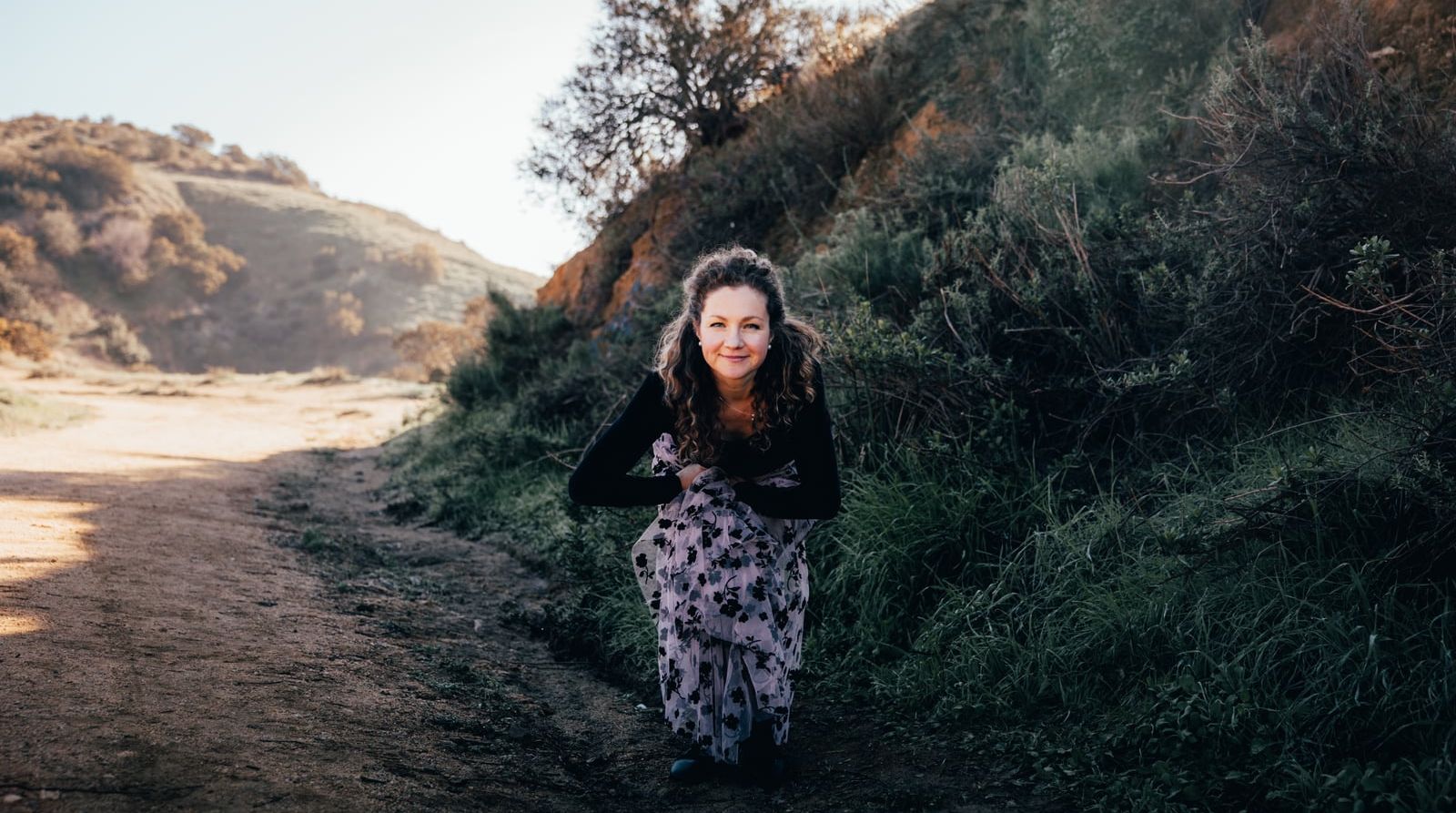
What it means to be seen, and to see — and where I learned it from a homeless man at an intersection.
Human connection — to see and to be seen
Let's talk about connection.
No, no — not tension and compression. Human connection. Spoiler: let's talk about unconditional love.
What I am about to try to put into words is not easy to put into words. It might sound too simple unless you look deeply.
Two weeks ago, I went to Browly and Inga's workshop in Colorado. My friend Thea, who organised it, always looks deeply at things. She was trying to help people see what dance and movement can do for personal growth, healing, and human connection. As a bonus, she brought in a guest instructor, Dr. Marc Donovan, who led a masterclass on discovering your most authentic voice and learning to express from there. Different modalities. Same goal.
It was very therapeutic. One of the exercises in Marc's class was facing another person, holding each other's hands, and looking into each other's eyes. That's it. Already an intense experience for a generation of people whose phones are the only thing they hold and stare at most of the time. But the next step was even more interesting: stay in the same handhold, the same eye contact, and — wait for it — be seen, and see the other person. Then tell them what you saw. I was like:
What? We are already seeing each other — what does that even mean? "Be seen?" The exercise didn't work for me or for the stranger I paired with — we both protected ourselves with polite smiles, humour, laughter. The masks went up out of fear.
But the question kept following me around. What is it like, just to be? To be seen, and to see the other person? What is it like to be fully present, to acknowledge the other person's existence, and to allow them to see your true self? Don't we already are? What is the detail? What is the truth I am missing?
The answer found me yesterday.
I was driving to teach a lesson at the studio, and a homeless man asked for help at the intersection. I had food in my car, so I gave it to him. And then the moment of magic happened: he gave me the most kind, generous, genuine smile in the world. It was the highlight of my day.
It was an eye-opening moment. In society — especially in American culture — we usually smile, talk briefly, and stay polite. But do we believe those smiles? They are friendly, casual, sometimes valuable.
This man's eyes were so deep, kind, warm. He gave me far more than I gave him. He was not embarrassed by his situation. He didn't take his gaze away. He wasn't angry, wasn't anxious. There was peace in his eyes. He had accepted his situation. He had let go of something. He was genuine, vulnerable, honest, kind, grateful — and not a single word was needed. As humans, we sense each other; sometimes the words are not the part that matters.
We should never judge, because we never know the depth of another person's struggles. In that moment, I felt I could be in his place — and that he would give me food. As if we are all one, created as a community to help and support each other, not to judge.
That was my AHA moment about seeing and being seen. The moment I truly felt the power of human connection, and of vulnerability.
The raw, vulnerable truth of struggle, of suffering, of the dark side — that is what connects us as humans. We can all relate to it. Not the mask of perfection. Not the playing-it-cool. It is safe to try to be perfect. Or to pretend you are. Very safe. The sad part is that no one then knows you — no one sees you — and so you never get to experience the love of being fully accepted. How unbelievably hard it is to find the courage to open up about your flaws, your struggles, your imperfections. The fear of rejection runs so deep. But when we find the courage to be vulnerable, we unlock something transformative. It feels life-threatening. It is also the key to genuine connection and growth.
Then I went back through my own memories. The moments when I loved someone the most were the moments when they were honest and vulnerable with me. It is not an excuse, but: people will pretend to be very cool, act like they don't care, know it all, are always right, attack first, ignore you — it is all just protection, hiding the true vulnerable soul underneath. But I love it when people dare to open up about their struggle. I respect the bravery. The risk. The risk of being seen. That is the most profound connection. The feeling of it could be me. The sense of oneness. The moment of forgiveness and of compassion. Judgement falls away.
How hard is it, really, to accept your situation, to make peace with it, to find things to be grateful for, to be kind and compassionate to other people? Well, it is not hard — and it is also nearly impossible most of the time. Some people describe it as: when ego dies, love takes its place.
What does it take to be at peace with our struggles, with our darkness? Do we need to lose everything, like the homeless man, to become humble enough — or is there another way, without that much loss and pain? The truth is, we all have our struggles. They may not be as visible as his, but they are just as real. Recognising this shared humanity can help us cultivate empathy and understanding.
These are just some thoughts I wanted to share with you. I wish for you, my friend, to experience this magic of seeing and being seen — the gift of unconditional love. I wish for you to experience a heart-to-heart connection on the dance floor, and in life.
Much Love,
Maria