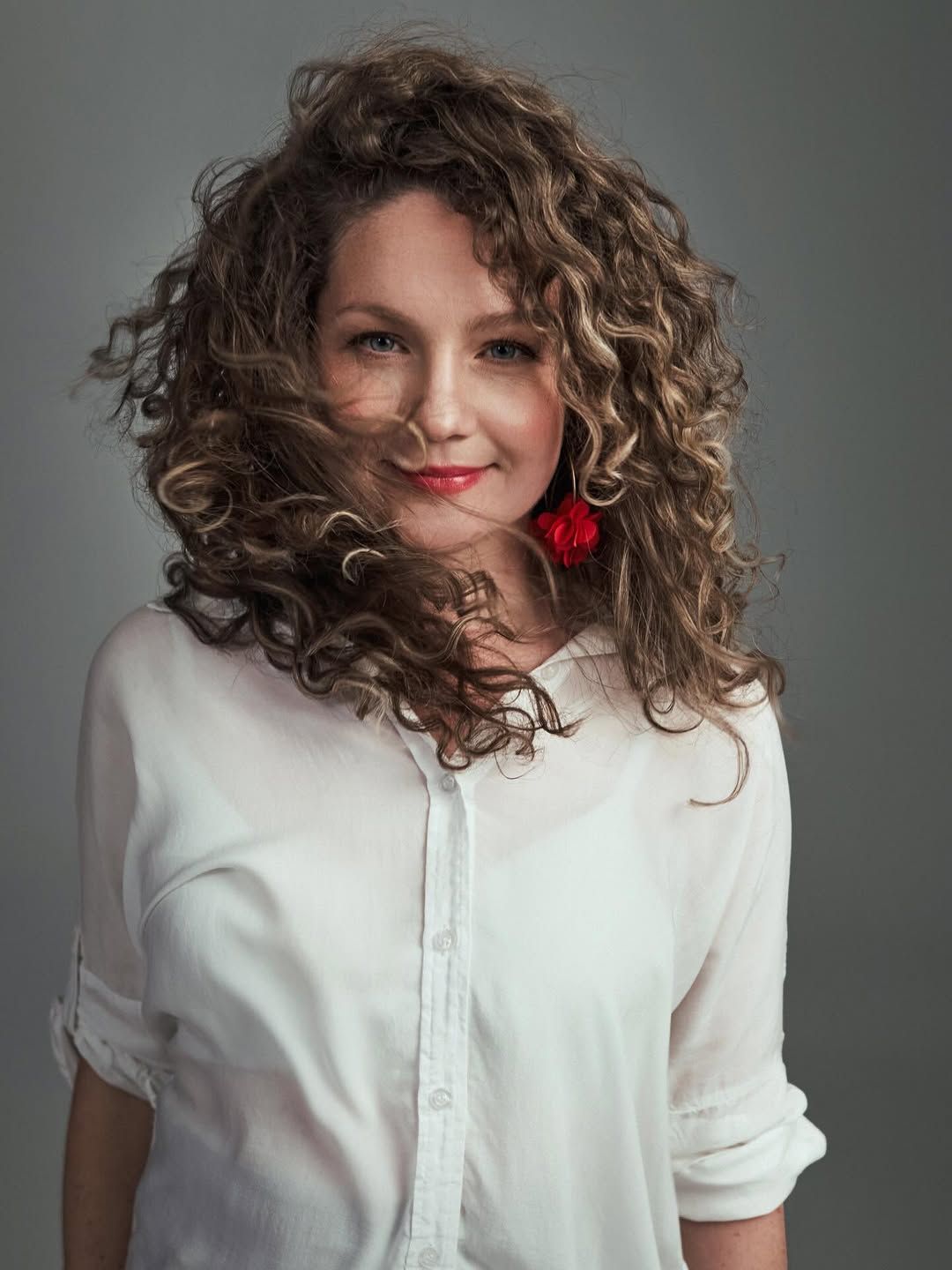
01 · Chapter · Mission
My Mission
My mission is simple to say and lifelong to live: I want to bring more joy, more peace, and a stronger sense of belonging into the lives of the people I dance with. I want you to feel loved, seen, heard, and accepted — exactly as you are the moment you walk through the studio door.
I have spent close to thirty years of my life inside this art form. Ballroom found me as a small child and shaped my body, my discipline, my ear for music. Then, about fourteen years ago, West Coast Swing arrived — and quietly took over. I shifted my focus, my training, and my creative priorities to it, and I have been deepening that craft ever since. Everything that came before — the ballet posture, the ballroom rigour, the years of competition — still lives in how I dance and how I teach. WCS is just where it all gets to come together.
For me, dance has never been only about steps. It is quiet medicine. It can lift a heavy week off your shoulders in three minutes. It can give you a body that feels like yours again. It can hand you back the laughter you had almost forgotten how to make.
When you take a lesson with me, my work is to give you two things at the same time: the technical clarity that makes your dancing real — frame, footwork, musicality, partnership — and the warmth that makes you want to keep showing up. I am not here to push you to dance like anybody else. I am here to help you become unmistakably you on the floor: confident, expressive, and at home in your own body.
Whether you have danced for twenty years, twenty months, or twenty minutes, you are welcome here. I cannot wait to see what we will make together — and how dance will quietly start changing the rest of your life along the way.
02 · Chapter · Dance
What Dance Becomes
Dance has been the steady thing in my life — a sanctuary I keep returning to, season after season. I left medicine, crossed the Atlantic, paused dancing for years at a time, and every single time the floor was waiting for me. When I teach or dance now, time melts away. Dance becomes meditation, language, work, and a kind of prayer all at once — handing me peace of mind, clarity, and a connection to myself and to the people I share it with that I haven't found anywhere else.
It has also given me a community: friendships that have stayed for decades, students who have become family, and a wide net of people I'm genuinely proud to know.
What I want to share with you is the gift in all of that — to recognise the goodness already in you, encourage your potential, and walk beside you while you find your most authentic self. The Japanese have a word for it: ikigai, the reason you get up in the morning. Dancing, teaching, and helping other people find their way into dance — that is mine.
Dance is more than movement. It is the language of the soul, and I would love to help you learn to speak it.
“I have watched Maria dance for as long as we have been together — Belarus, then Texas, three kids and a new career in between, and through every season the floor has been the place she is most herself. She does not talk about technique at home; she just keeps quietly getting better at it, the way some people do crosswords. What I see when I am in the room with her now is a teacher who has gathered her students into something close to a family, and a friend who shows up for them the way she shows up for ours. She is the best dancer I know — and the part I am proudest of is that she is even more generous than she is talented. And she is enormously talented.”
— Ivan
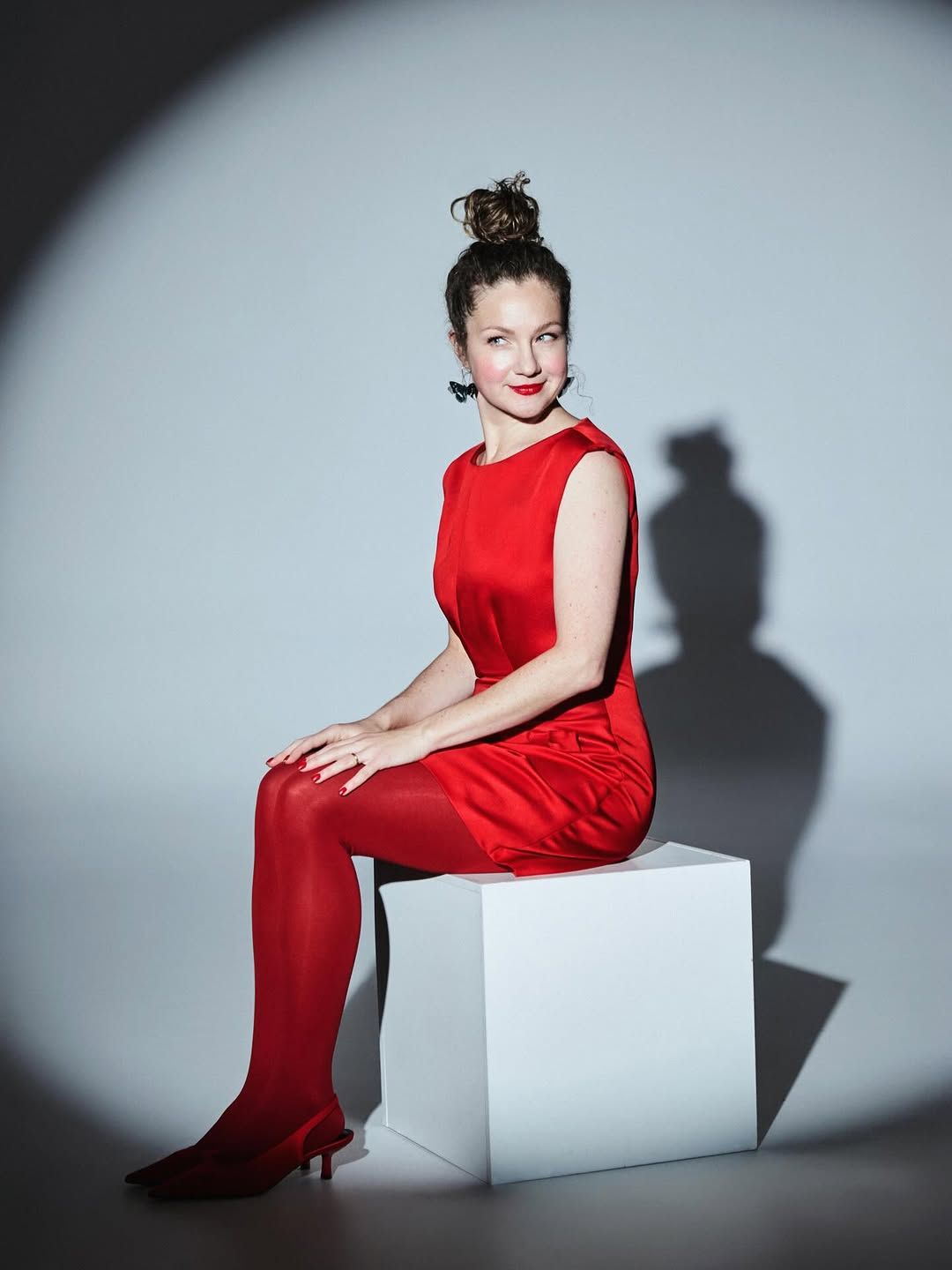
03 · Chapter · Superpowers
My Superpower Topics
Real growth in dance lives in the details — a breath before a turn, the feeling of true ground beneath your feet, the moment your arms say something your partner didn't expect and they answer with something only that conversation could have produced. The big arc of any dancer's progress, from first social to seasoned competitor, is mostly a long string of these small, specific shifts. These are the areas I love to teach most: not the showy parts, but the quiet ones that change how you carry yourself, the kind of partner you become, and what you walk away with after a lesson, a song, or a season. I have spent close to thirty years learning where these doorways live in a dance, and what it feels like on the inside when one of them opens. Each topic below is one of those doorways — pick whichever one calls to you, or simply follow your curiosity, and we'll walk through it together. There is no wrong place to begin.
- Connection: The invisible thread between two dancers — listening with your body, sensing your partner's intention before they take a step, and answering with the right amount of weight, timing, and space. Connection is what turns two people doing the same pattern into one shared idea, and it is what your partner remembers long after the dance is over.
- Free arm styling: Your arms are the most visible part of how you move, and they are also the part most often left on autopilot. We work on letting them breathe — sweeping, shaping, holding stillness — so each gesture flows from a real impulse rather than a memorised pose, and so the lines you draw look unmistakably yours.
- Authenticity: Technique can take you a long way, but it is the unrepeatable _you_ that makes an audience hold its breath. We strip away the layers of self-consciousness, copied moves, and competition-safe choices to find the dance only you can make — the one that feels obvious to your body once you stop hiding it.
- Grounding: Power lives in the floor. When your feet truly know the ground — when you can _feel_ where your weight is and how it travels — the rest of your body becomes fluid, balanced, and unstoppable. Grounding is what makes your turns clean, your footwork articulate, and your connection unmistakable to your partner.
- Body flight: The art of moving through space as if gravity is a suggestion rather than a rule. We work on carrying momentum across patterns, drawing long arcs through the room, and arriving with control — so the dance looks effortless even when your body is doing precise, hard, deliberate work underneath.
- Blues: Slow, soulful, and deeply personal. Blues is a private conversation between your body and the music — every breath of the song matters, every micro-shift of weight is a lyric. We find your voice in that conversation and the courage to keep dancing in the spaces most people rush past.
- Followers styling: Following is far more than receiving — it is a creative dialogue, a chance to colour every pattern with your own phrasing. We find all the small moments where your expression can light up the partnership: the breath before a turn, the held weight on a hit, the styling that makes the lead want to leave more space for you next time.
- Footwork: What your feet do tells the story; nothing else can fix unclear feet. We work on articulation, timing variations, weight transfers, and the micro-decisions that give your dance a signature only you can leave on the floor. Clean footwork lets every other layer — styling, musicality, partnership — actually land.
- Contrast: The secret ingredient of captivating dancing: knowing when to be sharp, when to melt, when to hold completely still. Contrast is what keeps an audience engaged — and what makes a single emphasised moment unforgettable. We build a personal vocabulary of dynamics so your dance has texture instead of one continuous level of effort.
- Stage presence: Competing or performing under bright lights is a craft of its own. We work on focus rituals, eye contact, the way you walk on and off the floor, and the quiet confidence that turns nerves into fuel — so the moment the music starts, the spotlight feels like a friend rather than a judge.
- Competition mindset: How you prepare your mind matters as much as how you prepare your body. We build pre-comp rituals, recovery from a missed lead or a fall, the art of being fully present in heats six and seven, and the long-game resilience that lets you keep loving this even when the placements don't reflect the work.
- Joy & Inspiration: Dance should feel like flight. We go back to the reason you fell in love with this in the first place, and we find ways to carry that joy through technique drills, late-night socials, and tough comp weekends — so dance stays a source of energy in your life rather than another thing that needs managing.
- Turns & Spins: Clean, controlled, and stay-connected-the-whole-time. We build the spotting, balance, and core support that make turns feel like freedom rather than a held breath — and the frame habits that keep a turn from being something you do _to_ your partner instead of _with_ them.
- Lyrical dance: Slow music asks for the most honest movement you have. We explore how to stretch into silence, let a phrase finish before you move on, and let a lyric actually land in your body — so the song uses you as much as you use the song, and the audience leans in instead of waits for the next pattern.
- Artistic expression: You already have an artistic voice; most people just haven't been given permission to find it. We dig into your instincts — the songs you replay, the moves your body keeps reaching for, the moments that catch you off guard — and shape them into something coherent and unmistakably yours on the floor.
- Solo movement: Dancing alone is dancing with yourself, and that is harder than it sounds. We build comfort in your own body, the self-direction that lets you choose your next move without waiting to be led, and the playfulness that makes you magnetic with or without a partner — at a J&J, at a social, in your kitchen.
- Between beats: The most advanced musicality lives in the spaces _between_ the beats. We explore syncopation, delay, anticipation, and the micro-rhythms that turn a steady triple step into something that breathes — so your dance can layer counter-time without losing the partner who's still feeling the downbeat.
- Creativity: Rules are a starting point, not a ceiling. We practise spontaneous movement, structured improvisation, and the kind of curiosity that keeps dance interesting after years on the floor — so every social is a chance to discover something, not just to repeat what you already know.
- Dance dialogue: Great social dancing is a real conversation — asking, listening, answering, surprising. We develop the fluency in lead/follow exchange that makes every partner feel genuinely heard, regardless of their level, and that turns three-minute dances with strangers into one of the small joys of your week.
Tap a dot to read more
04 · Chapter · About Maria
About Maria
Maria began ballroom as a very young child and never really left. The years that followed shaped a dancer's life around it — drilling the fundamentals, hardening her technique, building the daily routine of training and competing, and steadily pushing her own boundaries season after season. Whatever the floor asked, she gave it. In 2014, West Coast Swing found her, and she shifted her focus to it. Every season since, she has chosen the same thing: keep refining. She trains with the people whose work she most respects, hunts down the details that other dancers stop chasing, and applies the same standard to a private lesson as she does to a competition floor.
Off the floor she is a loving mother and a devoted spouse; on it, every thought belongs to the dance — to the student in front of her, the partner she is connecting with, the music in the room. Those two sides of her aren't really separate. The same warmth that makes her family home a soft landing place is what students feel the moment they begin a lesson, and the same focus that lets her present fully on the floor is what lets her see exactly what each dancer needs next.
The first thing people who learn from her tend to talk about is technique. Maria moves between ballet, ballroom, contemporary, and West Coast Swing the way a multilingual person switches between languages — instinctively, without translation. She is a certified judge through Chuck Brown's Eye Power Judges Training Master Course and teaches across the U.S. and abroad. The second thing they talk about is kindness — patient with concept, strict with execution, and unusually attentive to how each student actually learns.
In Dallas–Fort Worth and on workshop weekends across the country, Maria works with dancers at every level — beginners, social dancers, and competitors. Her teaching follows a simple progression: technique first, then vocabulary, then the artistic voice that turns vocabulary into something only that dancer could have said. Placements happen along the way, but they are never the point.