Dance Technique 5 min read
Tips for connection in WCS
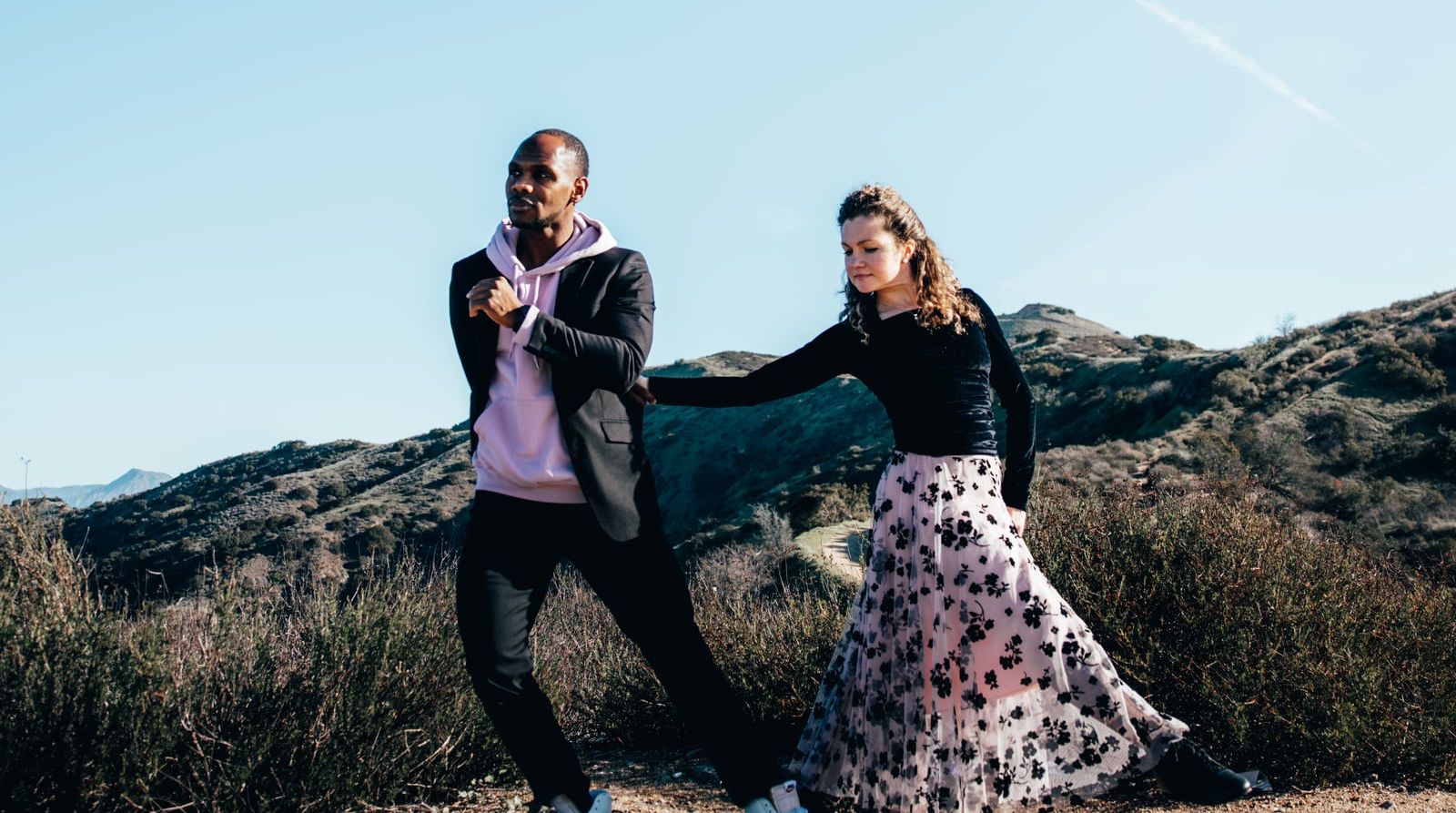
What I have come to believe about connection in WCS — what makes it safe, what makes it fluid, what makes it sing.
Tips for connection in WCS
Let's talk about connection.
When I just started WCS, the connection was the reason I loved this dance — and also the most mysterious part of it. People talk about it and teach it very differently. There are preferences, no exact right or wrong (I guess). But from the very beginning, I was trying to find the words to explain connection clearly enough that even a child would understand them.
I want to share some of the details I love most, the ones I find most effective in the way I currently understand this dance. It might change as I keep growing.
Here are tips, and where to look for more.
- First — and most critical: connection should be safe. No move is worth an injury. No win is worth an injury. Love your partner; don't use your partner to win. It should be physically and mentally safe. Everything below helps with that.
- A pliable frame, connected to your centre.
- Be attentive. Adjust to your partner.
- Stand on your own legs.
- Wide frame, elbows a little out, not down.
- A low, grounded frame "into the floor" — ideally at the level of the follower's hips.
- Resisted release (Robert Royston).
- Countering (Robert Royston).
- Myles and Tessa's elasticity challenge — at least forty-four drills to develop elasticity. Very effective, very fun.
- Emeline and Jakub's intensive on connection — how to create that fluid, matching connection.
- Remove all the noise. Do less work, but in the most effective way.
- I don't love neutral. Yes, it opens up the chance to create — but it sacrifices togetherness. I prefer when we are deeply, constantly connected, transferring information about the movement to each other's centres through the arms, feeling it without watching, dancing with eyes closed.
- I need to feel count 4 to use the connection to dance 5&6 — not just step backward to establish stretch. A floating anchor is great, but not when it is a hundred percent of the time.
- Handhold. Do you close your fingers, or keep it so open that leader and follower can slip apart at any moment, especially on fast songs?
- Breathe together with your partner.
- Browly has a fantastic way of explaining connection. He is on another level of understanding movement. I highly recommend working with him. Be careful, though — he might change your views and your values, in a great human way. We all need more human kindness, love, and compassion. And we can show those through our dance. I wish Browly and Inga taught at every event in the US.
- Jesse Lopez's philosophy of the importance of touch. Reminds me a lot of Browly. Great. A must-hear.
When a leader applies all of this, I feel like he or she has me in any moment of the dance. No matter what we do, we are connected. With such a leader, a fall will never happen — unless I do something dangerously unexpected myself. Our weight transfers and body shapes match. We are together. We are one.
I often hear that social dancing is always great in Europe, and could be more consistent here. So what would give us more joy on the social floor is the quality of our connection. It doesn't matter if you have danced for ten-plus years — you still need teacher feedback from time to time, just to know where you are. Knowledge, and conscious practice with feedback on every detail, goes a long way.
When someone asks me on the social floor for feedback — how does it feel? — honestly, I get scared to answer. Because usually it isn't a one-minute conversation. A generic answer won't help. We need to talk about details and drills, and that takes time. Totally worth it, but rarely a one-minute fix. I will also be very gentle, and sincerely honest. Honest feedback can hurt. We have to use kind, respectful words to give it (I have students who were traumatised by feedback from people on the social floor — feedback they didn't even ask for). We don't know each other's backgrounds, what people are going through. So we should be more compassionate. Most people take critique personally, not as a way to grow. They will get offended if they don't hear you feel perfect.
So, my friend — if you want to feel great in your connection, no matter what level you are at, if you want every partner to say that was the best connection I felt at comps and social this weekend — make sure you have an open mind. Even if you are an All-Star and you assume you feel great. Check in with a teacher. Make the effort to be humble enough to try things differently. Nobody wants to offend you. The teachers want to give you ideas to grow.
I want to set a higher standard of connection in our community. So we all know what good is supposed to feel like, and we aim for greatness, and we all have a beautiful time at comps and social. I want European dancers to come visit and say they had a great time on our floors. It is a little crazy that a Novice leader who does these things feels better than an All-Star who doesn't.
That is just my humble, honest, brave, maybe-not-popular opinion. I don't want to fight or argue. It is only my vision. But I am a teacher, and I care.
It makes me want to dance all night at events when I feel connected — even if we are doing only basics. I love basics. But with quality connection. It drains us when we don't feel connected.
We bloom and we show our best in good-quality connection.
P.S. All of this is coming out of love. I appreciate all the teachers in the community who teach quality and ethics.
P.P.S. Could you share with me what you love in connection, and why?
Much Love,
Maria